


-

Add: HeBei ShengShi HongBang Cellulose Technology CO.,LTD.
-

Email
13180486930@163.com -

CONTACT US
+86 13180486930
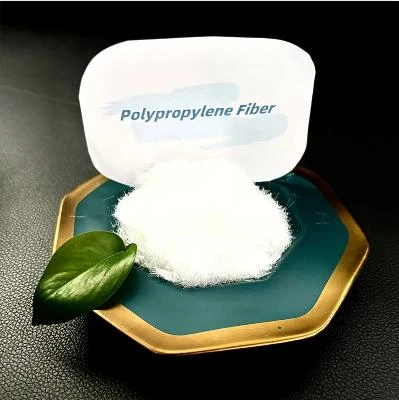
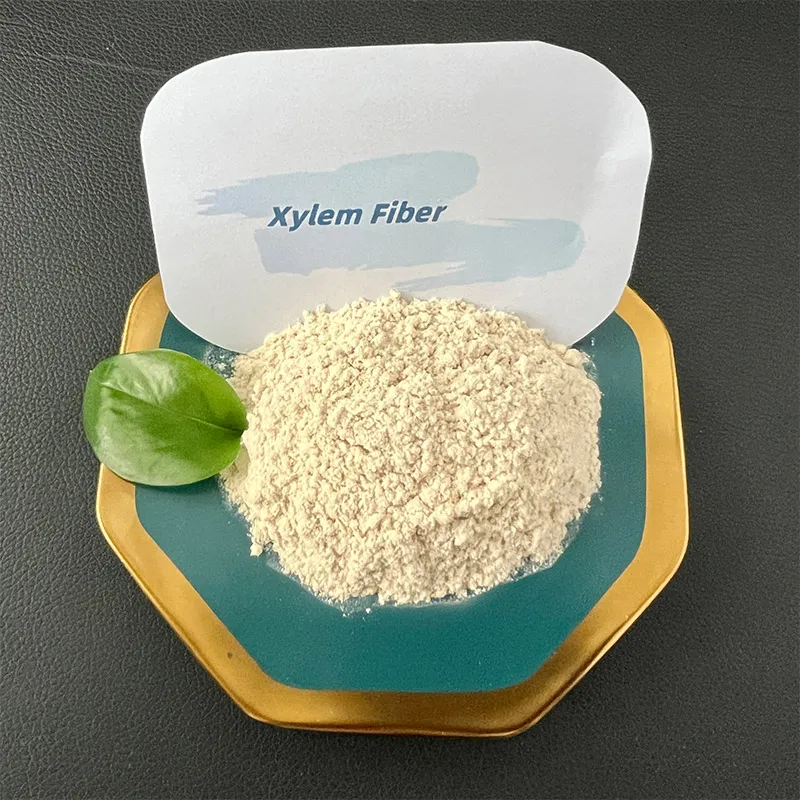


The Foundation of Sustainability: Understanding Wood Cellulose and Xylem Fiber In the evolving landscape of industrial materials, the drive towards sustainable and high-performance solutions is paramount. At the heart of this revolution lies wood cellulose , a naturally abundant polymer that forms the primary structural component of plant cell walls. Its remarkable properties — high tensile strength, biodegradability, and renewability — position it as a critical raw material for a diverse range of industries. SSHBHPMC is at the forefront of harnessing the potential of natural fibers with our advanced product, Xylem Fiber. This premium-grade wood cellulose derivative is meticulously engineered to meet the stringent demands of modern industrial applications, offering unparalleled performance and environmental benefits. By leveraging cutting-edge extraction and purification technologies, Xylem Fiber exemplifies our commitment to delivering superior bio-based solutions for a sustainable future. Navigating Industry Trends and Market Dynamics in Bio-Based Materials The global market for natural fibers, particularly those derived from wood, is experiencing robust growth driven by increasing environmental regulations, consumer demand for eco-friendly products, and technological advancements. Key trends shaping this sector include: Sustainability Mandates: Governments and international bodies are imposing stricter rules on plastic usage and carbon emissions, pushing industries towards renewable resources like wood cellulose . Circular Economy Principles: A growing emphasis on closed-loop systems and resource efficiency favors materials that are biodegradable, recyclable, and derived from sustainable sources. Performance Enhancement: Ongoing research and development are improving the functional properties of natural fibers, making them competitive with or superior to traditional synthetic materials in certain applications. Diversification of Applications: Beyond traditional paper and textiles, wood cellulose is finding new uses in advanced composites, bioplastics, filtration, and biomedical fields. The global cellulose market size was valued at approximately USD 200 billion in 2022 and is projected to grow at a Compound Annual Growth Rate (CAGR) of over 5% from 2023 to 2030, driven largely by demand from packaging, textile, and construction sectors. This upward trajectory underscores the critical role of high-quality cellulose wood fibers in the future of manufacturing. The Science Behind Strength: Composition and Properties of Wood Cellulose At its core, wood cellulose is a linear polysaccharide consisting of thousands of D-glucose units linked by β-(1→4) glycosidic bonds. This unique molecular architecture allows cellulose chains to form highly ordered crystalline regions (crystallinity) interspersed with amorphous regions. The degree of polymerization (DP), which refers to the number of glucose units in a chain, significantly influences the mechanical strength and viscosity of the cellulose material. Key properties that make wood cellulose a superior material include: High Tensile Strength: Due to strong intra- and inter-molecular hydrogen bonds, cellulose fibers exhibit exceptional strength-to-weight ratios. Biodegradability: As a natural polymer, it breaks down harmlessly in the environment, significantly reducing ecological impact. Thermal Stability: Cellulose can withstand relatively high temperatures before degradation, making it suitable for various processing conditions. Chemical Inertness: Generally resistant to many common chemicals, providing stability in diverse applications. Hydrophilicity: Its affinity for water is crucial for applications like absorbents and paper products, though it can be modified for hydrophobicity. Typical Wood Cellulose Parameters Parameter Typical Range (Wood Pulp Derived) Unit Purity (Alpha Cellulose Content) 85 - 99+ % Average Fiber Length 0.5 - 3.5 mm Average Fiber Width 15 - 50 µm Crystallinity Index 40 - 70 % Density 1.5 - 1.6 g/cm³ Tensile Strength (Single Fiber) 300 - 1500 MPa Thermal Degradation Onset 200 - 300 °C Xylem Fiber: The Advanced Manufacturing Process of High-Purity Wood Cellulose The production of Xylem Fiber from raw wood materials is a sophisticated multi-stage process designed to yield high-purity, consistent cellulose wood fibers . Our manufacturing pipeline adheres strictly to international quality standards such as ISO 9001 and environmental management systems like ISO 14001, ensuring both product excellence and ecological responsibility. Comprehensive Manufacturing Flow for Cellulose Extraction from Wood: Sustainable Raw Material Sourcing: We partner with responsibly managed forests certified by bodies like FSC (Forest Stewardship Council) or PEFC (Programme for the Endorsement of Forest Certification). This ensures a steady supply of high-quality wood, primarily softwood (e.g., spruce, pine) or hardwood (e.g., eucalyptus, birch), while promoting biodiversity and ecological balance. Wood Chipping and Debarking: Logs are debarked and cut into uniform chips, preparing them for the pulping stage. Pulping (Chemical Digestion): This critical step, often utilizing the Kraft process (sulfate process), chemically separates the cellulose fibers from lignin and hemicellulose. Wood chips are cooked in a solution of sodium hydroxide and sodium sulfide under high temperature and pressure. This process is highly efficient and allows for the recovery of cooking chemicals and energy generation from lignin byproducts. For specialized applications, other methods like sulfite pulping or organosolv pulping might be employed to achieve different fiber properties or environmental profiles. Washing and Screening: The pulp is thoroughly washed to remove residual chemicals and impurities. Screening separates larger shives or knots, ensuring uniform fiber size. Bleaching and Purification: To achieve the high purity and brightness required for Xylem Fiber, the pulp undergoes a multi-stage bleaching process. This typically involves elemental chlorine-free (ECF) or totally chlorine-free (TCF) methods using hydrogen peroxide, oxygen, and ozone to remove residual lignin and enhance whiteness without harmful byproducts. This stage is crucial for producing high-alpha cellulose content. Refining and Fiberization: The purified pulp is then mechanically refined to modify fiber properties, such as increasing surface area or fibrillation, which is essential for specific end-use performance. This stage can involve specialized equipment to produce fine microfibrillated or nanofibrillated cellulose if required. Drying and Baling: The refined fibre made from wood pulp is dewatered and dried to a specific moisture content, then compressed into bales or prepared in other forms (e.g., powder, slurry) for shipment. Quality Control and Testing: Throughout the entire process, rigorous quality control checks are performed. This includes testing for alpha cellulose content, viscosity, fiber length distribution, brightness, dirt count, and moisture content, adhering to international standards like ISO (International Organization for Standardization) and relevant industry-specific standards such as those from ANSI (American National Standards Institute) or TAPPI (Technical Association of the Pulp and Paper Industry). These tests ensure that every batch of Xylem Fiber meets our stringent specifications for purity, consistency, and performance, guaranteeing a long service life in its intended applications. This meticulous process ensures that Xylem Fiber delivers consistent, high-quality cellulose extraction from wood , ready for integration into demanding industrial workflows. The emphasis on purity and consistent fiber characteristics contributes to extended product lifespan and enhanced performance in diverse applications, from high-strength composites to advanced filtration systems. Technical Advantages of Xylem Fiber: Engineered for Performance Xylem Fiber stands out in the market due to its unique combination of natural properties enhanced by our proprietary processing techniques. These advantages translate into significant benefits for industrial clients seeking to innovate and optimize their products: Exceptional Strength-to-Weight Ratio: Xylem Fiber offers remarkable tensile strength relative to its low density, making it ideal for lightweighting applications in industries like automotive, aerospace, and consumer goods. This directly contributes to energy savings in transportation and operational efficiency. Superior Biodegradability and Renewability: Unlike synthetic fibers, xylem fiber is fully biodegradable and sourced from renewable resources, aligning with corporate sustainability goals and reducing environmental impact at end-of-life. Versatile Chemical Compatibility: With its inherent chemical stability, Xylem Fiber can be effectively integrated into various matrices, including polymers, resins, and cementitious materials, without adverse reactions. Its natural resistance to certain chemicals can contribute to improved long-term performance and reduced "corrosion" or degradation when used as a filler or reinforcement in specific chemical environments. Thermal Insulation Properties: The porous and fibrous structure of wood cellulose provides good thermal insulation, making it valuable in building materials and protective packaging. Excellent Reinforcement Capabilities: When integrated into composites, Xylem Fiber enhances mechanical properties such as flexural strength, stiffness, and impact resistance, offering a sustainable alternative to glass or carbon fibers. Moisture Management and Absorbency: Its inherent hydrophilicity makes it an excellent choice for absorbent products, filtration media, and moisture-regulating textiles. These technical attributes underscore why Xylem Fiber is increasingly chosen by forward-thinking companies looking for high-performance, environmentally responsible material solutions. Its inherent robustness and adaptable nature ensure a long service life, even in demanding industrial environments. Versatile Applications of Xylem Fiber Across Industries The broad utility of Xylem Fiber stems from its customizable properties and robust performance, making it indispensable across a spectrum of industries. Its ability to serve as a sustainable alternative or enhancer to traditional materials positions it for significant growth. Core Application Segments: Paper and Packaging: Xylem Fiber enhances the strength, stiffness, and printability of paper and paperboard products, from high-performance corrugated boxes to specialty papers and food packaging. Its use reduces reliance on virgin pulp and promotes circularity. Textiles: As a primary component in regenerated cellulose fibers like viscose, Lyocell (Tencel™), and modal, xylem fiber offers soft, breathable, and highly absorbent textiles, serving the apparel, non-woven, and home furnishing sectors. Composites and Bioplastics: In automotive interiors, construction materials, and consumer goods, Xylem Fiber serves as a reinforcing agent in bioplastics and thermoplastic/thermoset composites. It contributes to lighter, stronger, and more sustainable products, reducing overall carbon footprint and potentially lowering manufacturing costs through reduced material density. Filtration: Due to its fine fibrous structure and excellent filtration capabilities, wood cellulose is widely used in air, oil, and water filtration media, offering high particle retention efficiency and flow rates. This is crucial for industrial filtration in sectors like petrochemicals (e.g., separating contaminants from processing fluids, oil and gas exploration), and general industrial liquid purification. Food and Pharmaceuticals: Microcrystalline cellulose (MCC) and other wood cellulose derivatives function as binders, thickeners, stabilizers, and dietary fiber supplements in various food products, and as excipients in pharmaceutical tablets and capsules. Adherence to FDA and European Pharmacopoeia standards is critical here. Building Materials: Incorporated into insulation, gypsum board, or cement composites, xylem fiber improves mechanical properties, fire resistance, and moisture control. While traditional industries like petrochemical and metallurgy might not directly use wood cellulose as a structural component, Xylem Fiber plays a vital supporting role. In the petrochemical sector, its derivatives can be used in drilling fluids, and as filtration aids for process streams, reducing maintenance needs and extending the service life of equipment by ensuring purity. In metallurgy, cellulose-based binders can be found in casting processes, contributing to mold integrity and surface finish. Its benign nature also makes it suitable for water supply and drainage systems, where it can be used in bio-filtration beds or as an environmentally safe additive in certain formulations. The ability of Xylem Fiber to be integrated into diverse formulations means it can indirectly contribute to energy saving initiatives by enabling lighter, more efficient components, or by improving the lifespan of related industrial processes through advanced filtration and material enhancement. Manufacturer Comparison: Why SSHBHPMC's Xylem Fiber Stands Apart In a competitive market, selecting the right supplier for your wood cellulose needs is critical. SSHBHPMC differentiates itself through a steadfast commitment to quality, innovation, and customer-centric solutions. Here’s a comparative look at what sets Xylem Fiber apart: Xylem Fiber vs. Conventional Wood Cellulose Providers Feature Conventional Suppliers SSHBHPMC's Xylem Fiber Purity & Consistency May vary; less stringent QC for mass market. Superior (99%+ alpha cellulose); Rigorous multi-stage purification and ISO 9001 certified QC for batch-to-batch uniformity. Manufacturing Technology Standard pulping methods; limited advanced processing. Advanced, proprietary cellulose extraction from wood techniques, including optimized chemical digestion and multi-stage bleaching (ECF/TCF) for superior fiber morphology. Sustainability Practices Variable; may not always be certified sustainable. FSC/PEFC certified sustainable sourcing; ISO 14001 environmental management; commitment to low environmental footprint. Customization & R&D Limited standard product offerings. Extensive customization options (fiber length, purity, surface modification); Dedicated R&D team for collaborative product development. Technical Support Basic product information; less post-sale support. Comprehensive technical consultation, integration support, and troubleshooting; long-term partnership approach. Our dedication to superior product quality and customer satisfaction ensures that Xylem Fiber not only meets but often exceeds industry standards, providing our partners with a competitive edge and reliable supply for their critical applications. Custom Solutions and Engineering Support for Xylem Fiber Integration Recognizing that every industrial application has unique requirements, SSHBHPMC offers comprehensive customization capabilities for Xylem Fiber. Our expert engineers and material scientists work closely with clients to develop bespoke xylem fiber solutions tailored to specific performance criteria and processing needs. Our Customization Expertise Includes: Fiber Length and Distribution: Tailoring fiber dimensions to optimize reinforcement, filtration, or binding properties. Purity and Chemical Composition: Achieving specific alpha cellulose content and controlling residual hemicellulose or lignin levels for sensitive applications (e.g., pharmaceutical, food grade). Surface Modification: Applying surface treatments to enhance compatibility with different polymer matrices or to alter hydrophilicity/hydrophobicity. Particle Size and Morphology: Producing various forms, from standard pulp to micronized powders or specialized fibrillated forms, for diverse integration methods. Formulation Assistance: Providing guidance on optimal loading levels and dispersion techniques for Xylem Fiber in your existing or new formulations. Our collaborative approach ensures seamless integration of Xylem Fiber into your manufacturing processes, minimizing downtime and maximizing efficiency. We provide detailed technical specifications, compatibility testing, and ongoing support to guarantee peak performance and cost-effectiveness. This engineering partnership not only helps solve immediate material challenges but also fosters long-term innovation. Application Case Studies: Xylem Fiber Delivering Real-World Impact The tangible benefits of Xylem Fiber are best illustrated through its successful deployment in various demanding applications. These case studies highlight our commitment to problem-solving and delivering measurable improvements for our clients. Case Study 1: Lightweighting in Automotive Composites A leading automotive OEM sought to reduce vehicle weight to improve fuel efficiency and lower emissions. By replacing traditional fiberglass in certain interior trim components with a Xylem Fiber-reinforced biocomposite, they achieved a 15% weight reduction per component while maintaining critical mechanical properties like stiffness and impact resistance. This innovation led to a projected 3% improvement in overall vehicle fuel economy and significant strides towards their sustainability targets. Case Study 2: Enhancing Filtration Media for Industrial Applications An industrial filtration company needed to develop a new filter medium with higher particle retention and increased flow rates for specialized fluid processing in a petrochemical plant. By integrating fine xylem fiber into their filter matrix, they achieved a 25% improvement in filtration efficiency for micron-sized particles and a 10% increase in flow capacity compared to their previous synthetic-based filters. This resulted in extended filter service life and reduced operational costs for their end-users, demonstrating superior performance and environmental benefits. Case Study 3: Sustainable Packaging Innovation A major consumer goods company aimed to eliminate plastic from its secondary packaging. Collaborating with SSHBHPMC, they developed a novel molded pulp packaging solution using Xylem Fiber. The resulting packaging was 100% compostable and recyclable, yet offered comparable strength and protective qualities to its plastic predecessor. This initiative was recognized with an industry award for sustainable packaging, demonstrating the high strength and moldability achievable with engineered wood cellulose . These examples underscore Xylem Fiber's adaptability and our expertise in transforming innovative concepts into tangible, sustainable industrial solutions. Our engagement often extends beyond supply to true partnership, ensuring that clients achieve their specific performance and sustainability objectives. Authoritativeness and Trustworthiness: Our Commitment to Quality and Support At SSHBHPMC, our reputation is built on trust, transparency, and a relentless pursuit of excellence. We understand that for B2B decision-makers, product quality must be backed by verifiable credentials and robust support systems. Our operational ethos is deeply rooted in established international standards and a commitment to long-term client relationships. Certifications and Compliance: ISO 9001:2015 Certified: Our Quality Management System (QMS) ensures consistent product quality, process efficiency, and continuous improvement across all stages of wood cellulose production. ISO 14001:2015 Certified: Our Environmental Management System (EMS) demonstrates our commitment to minimizing environmental impact through sustainable sourcing, waste reduction, and energy efficiency. FSC/PEFC Accreditation: We source our raw wood pulp from sustainably managed forests, ensuring ecological responsibility and traceability for Xylem Fiber. FDA & USP Compliance: For relevant grades of Xylem Fiber used in food and pharmaceutical applications, our products meet stringent regulatory requirements set by bodies like the U.S. Food and Drug Administration (FDA) and the U.S. Pharmacopeia (USP). Regular Third-Party Audits: Our facilities and processes undergo regular independent audits to ensure adherence to global best practices and compliance standards. FAQ: Addressing Your Key Questions Q: What makes Xylem Fiber different from other cellulose fibers on the market? A: Xylem Fiber undergoes an advanced purification process ensuring superior alpha cellulose content and highly consistent fiber properties (length, width, crystallinity). Our commitment to sustainable sourcing and extensive customization options further differentiates us, offering unparalleled performance and environmental integrity for your applications. Q: What are the typical delivery lead times for Xylem Fiber? A: Our standard lead time for Xylem Fiber is typically 3-6 weeks from order confirmation, depending on order volume, customization requirements, and destination. We maintain robust supply chain logistics to ensure timely and efficient delivery worldwide. Expedited options are available for urgent requirements upon request. Q: What kind of technical support can we expect for integrating Xylem Fiber into our processes? A: SSHBHPMC provides comprehensive technical support, including material data sheets, safe handling guidelines, and direct consultation with our R&D engineers. We offer assistance with material compatibility, process optimization, and troubleshooting to ensure seamless integration and optimal performance of Xylem Fiber in your specific application. Our service team is available for ongoing support. Q: What is your warranty policy for Xylem Fiber products? A: We offer a standard warranty covering material defects and ensuring that Xylem Fiber meets the agreed-upon specifications and quality standards upon delivery. Our dedicated customer support team handles any product-related inquiries promptly and professionally, committed to resolving issues to your satisfaction. Conclusion: Partnering for a Sustainable and High-Performance Future As industries worldwide seek more sustainable and efficient material solutions, wood cellulose , particularly in the form of advanced Xylem Fiber, emerges as a cornerstone of innovation. SSHBHPMC is dedicated to leading this transition by providing an exceptionally pure, high-performance, and environmentally responsible xylem fiber . Our rigorous manufacturing processes, adherence to international quality and environmental standards, and a deep commitment to customer collaboration ensure that Xylem Fiber delivers tangible benefits—from enhanced product performance and extended service life to significant strides in environmental sustainability. Partner with SSHBHPMC to unlock the full potential of bio-based materials and drive your next generation of sustainable products and processes. For more detailed specifications or to discuss your specific application needs, please visit our product page: Xylem Fiber . References Klemm, D., Philipp, B., Heinze, T., Heinze, W., & Wagenknecht, W. (1998). Comprehensive Cellulose Chemistry: Fundamentals and Applications. Wiley-VCH. Huber, P., & Scherer, R. (2018). Wood Cellulose: Structure and Properties of this Essential Biopolymer. Advances in Forest Science. Moon, R. J., Martini, A., Nairn, J., Gong, J., & Wool, R. (2011). Cellulose Nanomaterials Review: Structure, Properties and Nano-Bio-Applications. Chemical Society Reviews, 40(7), 3941-3999. Sjöström, E. (1993). Wood Chemistry: Fundamentals and Applications. Academic Press. Isogai, A. (2020). Cellulose: From Biosynthesis to Nanomaterials. De Gruyter.
- 40000tons

Production
- 20+years

Experience
- 5000+㎡

Acreage

-

Hydroxypropyl Methylcellulose (HPMC) has emerged as a versatile and essential ingredient in the food industry, transforming the way food products are developed and enhancing their quality. Employed namely for its exceptional emulsifying, thickening, and gelling abilities, HPMC continues to gain recognition among food scientists and manufacturers for its innovative applications. With its origin traced back to cellulose, HPMC is produced through the chemical modification of this natural component, ensuring it remains non-toxic and safe for consumption. This synthetic polymer exhibits a high-water retention quality and forms a gel when dissolved in cold water, which makes it optimal for a multitude of food applications. In bakery products, HPMC assumes a critical role in improving dough properties, retaining moisture during baking, and extending the shelf life of finished products. Its ability to reduce the retrogradation of starch ensures that baked goods maintain freshness longer than they typically might, which is highly beneficial for both bakeries and consumers. The addition of HPMC in gluten-free recipes is a game-changer, as it compensates for the loss of gluten, providing structure and elasticity to dough, thus enhancing the texture and appeal of gluten-free bread and pastries. Furthermore, HPMC’s role in creating emulsions makes it indispensable in the production of sauces, dressings, and gravies. Its stabilizing properties prevent the separation of oil and water, ensuring a consistent texture and appearance. Food scientists have noted its effectiveness in low-fat and low-calorie products, where fat content reduction is desired. Here, HPMC enhances mouthfeel and mimics the creaminess of full-fat counterparts without compromising taste or satisfaction, aligning perfectly with the growing demand for healthier food options. In the dairy industry, HPMC is utilized to improve viscosity and stabilize dairy products such as yogurt and ice cream. It helps in maintaining the form and consistency, particularly in reduced-fat versions, by preventing ice crystal formation which can detract from the smoothness typically desired in ice cream. By promoting even distribution of particles and maintaining the suspension of other ingredients, HPMC ensures consistency throughout the product's shelf life. hpmc in food Snack foods benefit from HPMC's film-forming properties, which are leveraged to create barriers that prevent moisture gain and oil migration, preserving crunchiness and flavor. This attribute is particularly advantageous in products such as fried snacks and cereals, where a prolonged crispiness is a key quality attribute sought by consumers. The burgeoning plant-based food sector has also recognized the utility of HPMC. As an emulsifier, binder, and stabilizer, HPMC enhances the coherency and mouthfeel of plant-based meat and dairy alternatives. It helps mimic the juicy texture and structure of animal-derived products, often missing in plant-based options, thereby raising their appeal to a broader audience. However, the incorporation of HPMC into food products is not merely functional; it's also regulated by stringent safety standards. The Food and Drug Administration (FDA) along with the European Food Safety Authority (EFSA) have approved HPMC as a safe food additive, which reassures both manufacturers and consumers regarding its use. Innovation and sustainability also find their intersection with HPMC, as its cellulose base derives from plant fibers, positioning it as an environmentally friendly option in food production. This sustainability angle aligns with global movements towards reducing environmental impact, elevating HPMC's status not just as a synthetic enhancer but as a responsible choice within product formulations. As food technology advances, the importance of HPMC in food products only becomes more pronounced . Its adaptability and multifaceted benefits make it a cornerstone in developing not only tasty but also stable and healthy food options. For food manufacturers aiming to stay ahead in the competitive market, understanding and utilizing HPMC’s full potential is indispensable.
-
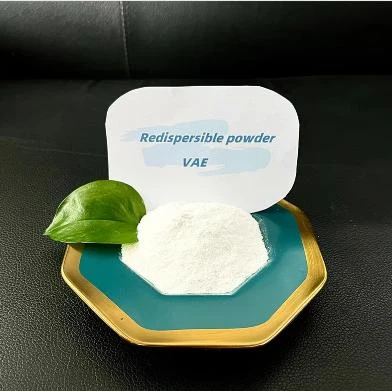
Navigating the world of chemicals , one encounters numerous compounds essential for various industries. Among them, Hydroxypropyl Methylcellulose (HPMC) stands out for its diverse applications and unique properties. This chemical compound has gained recognition for its indispensable role in industries ranging from construction to pharmaceuticals, making it a staple for product formulation experts. Hydroxypropyl Methylcellulose is a non-ionic cellulose ether derivative produced through the modification of cellulose. This modification provides HPMC with a remarkable set of physical properties that make it ideal for multiple applications. These properties include thickening, stabilizing, emulsifying, and forming films, which contribute significantly to improving product performance and quality. In the construction industry, HPMC is revered for its contributions to the formulation of high-quality cement and gypsum-based products. Its water retention capabilities ensure that mortar and plasters remain workable for longer periods, which is crucial in achieving a smooth and durable finish. This characteristic also prevents the premature drying and cracking of building materials, ensuring structural integrity and longevity. The expertise needed to harness the full potential of HPMC in construction relies heavily on understanding its interaction with other additives, which leads to formulas that enhance workability and set times tailored for specific environmental conditions. In the pharmaceutical sector, HPMC is celebrated for its safety and functionality in drug formulations. Its use as a controlled-release agent in tablet formulations ensures that medications are delivered at precise rates, enhancing therapeutic efficacy. The non-toxic and hypoallergenic nature of HPMC makes it an ideal choice for oral and topical pharmaceutical applications. Researchers and pharmaceutical experts trust HPMC for its biodegradability and ability to form gels at varying temperatures, which are essential in designing sustained and targeted drug delivery systems. hpmc chemical The food industry also benefits from HPMC's versatility. It acts as an emulsifier, thickener, and stabilizer in a variety of products, including sauces and dairy alternatives. These functionalities help in achieving the desired texture and consistency, which can greatly affect consumer satisfaction. As consumer demands grow for plant-based and clean-label ingredients, having authoritative knowledge about how HPMC can replace animal-derived thickeners highlights its critical role in food technology advancements. Trust in HPMC’s capabilities is built on years of scientific research and industrial application. Its consistent performance and adaptability in different environments demonstrate its reliability, secured by numerous safety studies and certifications. Manufacturers and product developers looking to leverage HPMC's properties benefit from collaborating with suppliers who prioritize quality and consistency, guaranteeing a dependable supply chain. Professionals seeking to integrate HPMC into their product lines must exhibit not only a solid understanding of its chemical and physical properties but also the foresight in application design that meets industry-specific standards. As demand for better, more sustainable solutions grows, Hydroxypropyl Methylcellulose stands as a testament to chemical engineering excellence — a reliable and versatile solution in an ever-evolving marketplace.
advantages
-

200000 Viscosities
Excellent product
We can produce pure products up to 200,000 viscosities
-

40000 tons
High yield
We don’t stop production all year round, and the annual output can reach 40,000 tons
-

24 hours
Quality service
We provide 24-hours online reception service, welcome to consult at any time
———— Inquiry Form
Schedule A services
-
 hydroxypropyl_methylcellulose_hpmc_powder
Oct . 25, 2025
The Cost of Polypropylene Fiber An Overview Polypropylene fiber, derived from the polymerization of -
 hydroxypropyl_pea_starch
Oct . 25, 2025
Hydroxypropyl methylcellulose, commonly abbreviated as HPMC, is a pivotal compound in various indust -
 polybenzimidazole_powder
Oct . 25, 2025
The world of construction and industrial materials is constantly evolving, and the demand for innova


